


15 oct Problem Solving dumbbell sumo deadlift With Paused Reps
It’s a good rule of thumb to adjust training numbers down in relation to your normal deadlift max. I’d suggest dropping 10-20%- and maybe more- depending on how challenging these are for you. Keep in mind, you aren’t trying to set a max on this lift, so don’t stress if you have to use less weight than you thought. For the purposes of building your deadlift, let’s break down your end goal as either a 1 or 3 rep max. If you’re a beginner and have little experience deadlifting, a 3rm would be a good test at the end of the program. Intermediate/advanced lifters should test their 1rm.
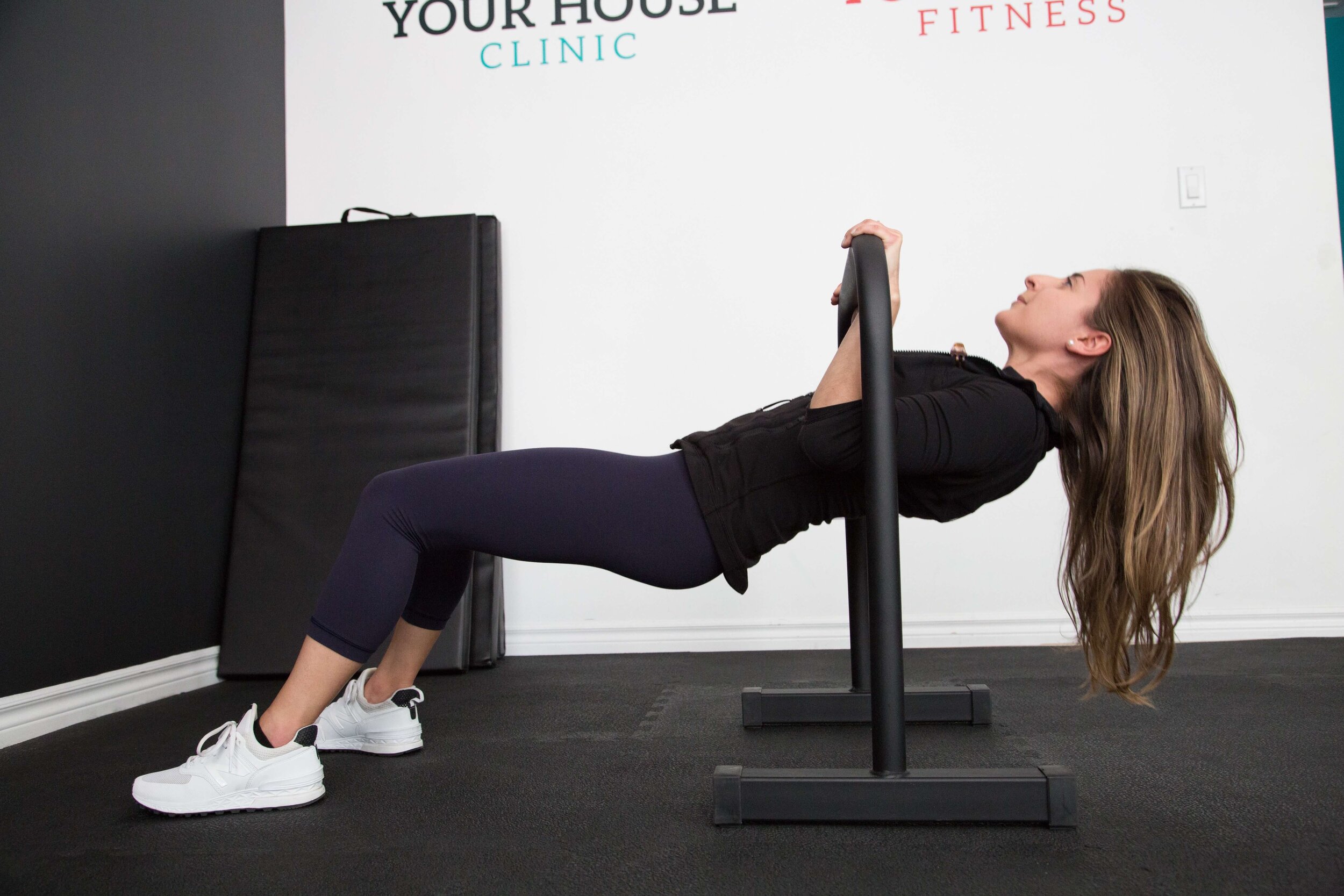
- Pull it up slowly and steadily, ensuring that you don’t lean too far forward and topple over.
- These can also be subbed in on a max effort lower day in place of a deadlift for that week.
- Having several hundreds pounds of weight in your hands is typically a bad time to lose rigidity.
- Remember, grip just outside the knees if you want to pull big numbers while saving your back.
- Because of the lower starting point, the risk of injury is much higher than the conventional dumbbell sumo deadlift.
- The first thing you need to know is that any isometric exercises, including isolated deadlifts, will require additional recovery throughout the week.
Get into position with your chest up, shoulders back, hips down, and arms engaged. The heavy deadlift is a compound lift to include in your workout routine, but it’s commonly performed incorrectly. Again, once you get to the level of the knee, let the knees bend, and come straight down. You’ll see that the back stays right in the position you need it to be. As soon as your hands are at the level of the knees, boom!
Why You Should Deadlift
So, if you’re into dumbbell sumo deadlift working these muscles, then the Sumo deadlift is for you. But, if you’re looking to increase the strength and resilience of other muscle groups, a conventional deadlift works better. Return the bar to your shoulders after each rep. Exhale, raise your chest and set your forearms vertical.
Can You Lift Heavier With Sumo Deadlift?
This puts more emphasis on the adductors and glutes, both of which can help with the deadlift. So if you’re intentional about it like that, you can keep some carryover between the lifts. And with sumo deadlifts, those work the quads and glutes pretty hard, as well as the adductors and hamstrings, so you might get even more carryover there. The exception being the glutes, which are a prime mover in both lifts. Both lifts will bulk up your glutes, and bigger glutes will help with both lifts.
Set
Thin soles are probably the #1 feature you want a deadlifting shoe to have. The thinner the sole, the closer you’ll be to the floor when deadlifting. It reduces your range of motion compared to shoes with thicker soles. Essentially, the position of your hands to your side, without having to bend too far down, has high beneficial potential for injured lifters. Using light weight in the beginning of your workout can help heat up your muscles and prepare you for working sets.
Executing The Deadlift
My lower back usually doesn’t get sore from Deadlifts. The last time was when I trained in a gym with smaller diameter plates. They forced me to pull from a lower position than I’m used to . My lower back got pumped and was slightly sore the next day. Especially if you have small palms or short fingers.
«I’ve even shown people how to deadlift without weights. And even if you’re a pro at doing deadlifts, you should always warm up with an empty bar first.» Another benefit of rack pulls is that you can load up the bar heavier that regular deadlift. You start in a stronger position so you shoulder be able to pull more weight. This added poundage will improve your strength and translate to a stronger conventional deadlift. Because you’re lifting through a larger range of motion, and starting in a less advantageous position, you won’t be lifting as much as a normal deadlift.
Sorry, the comment form is closed at this time.